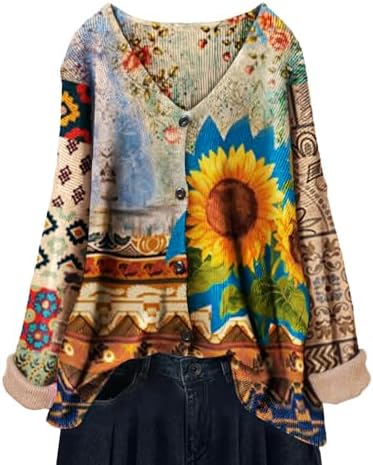
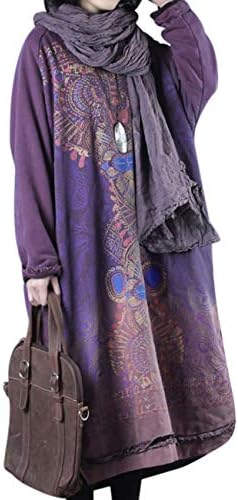
Shop this guide
The pieces this guide reaches for, from the YESNO range.
Styling Guide · Knitwear
Layering fails in one of two ways: sausage or duvet. Both are ordering problems, not wardrobe problems.
The only law of layering: each layer outward is looser and heavier than the one beneath. A fine tee, then a shirt, then the sweater, then the coat — every piece slides over the last. Break the order — a chunky knit under a fitted jacket — and you get compressed sleeves and a stuffed look no color can rescue. If a layer has to be forced through a sleeve, the outfit is already over.
An oversized knit reads deliberate when exactly one dimension stays controlled. Big sweater: slim pants or a visible ankle. Big sleeves: pushed to the elbow, showing wrist. Dropped shoulders: a hem that ends where you chose — front-tucked, knotted or riding the hip — not wherever gravity quit. Oversized everything with no fixed point is how a knit wears you.
Layers show at three borders: neck, cuff, hem. Aim for a visible step at each — a quarter inch of shirt collar above the knit, a sliver of cuff, an inch of under-layer hem below a cropped outer one. Identical lengths stacked exactly reads like an accident. Three visible layers is the ceiling; past that, borders turn into clutter.
Layered knits get worn hard and washed too often. Air a sweater after wear instead of washing it weekly; wash cold, dry flat, and never on a hanger — the full routine, including what a hot dryer does to a chunky knit, is in the fabric care guide. Pilling on high-friction spots is normal wear, and a fabric shaver ends it in minutes.
The pieces this guide reaches for, from the YESNO range.